
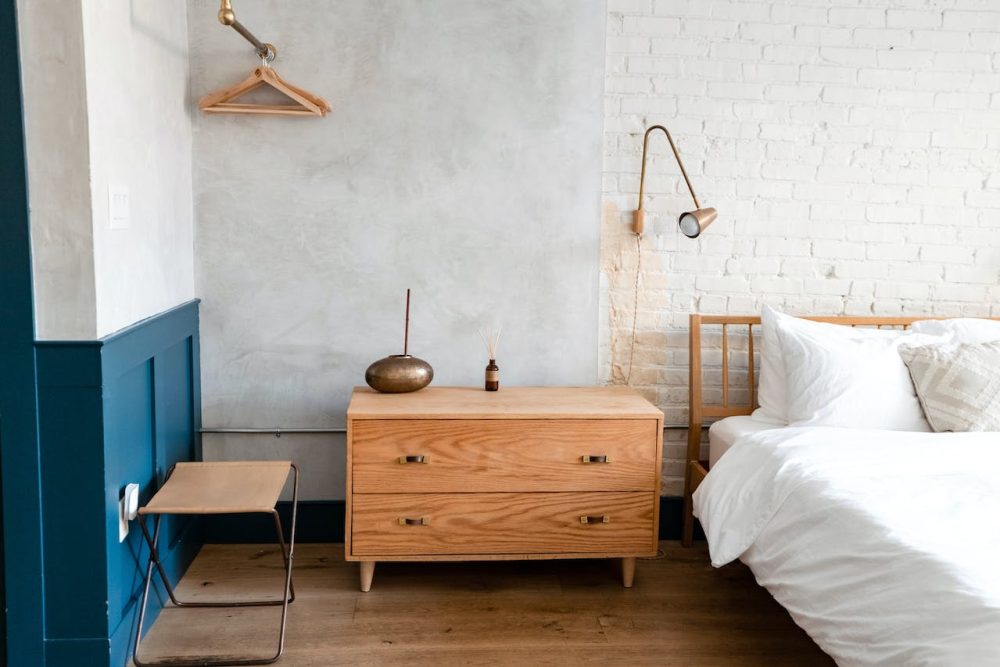
Do you feel like your home’s started to look a little outdated? Maybe it’s time for a refresh! Modern interior design is all about creating spaces that are not only aesthetically pleasing but also functional and comfortable. Whether you’re looking to completely overhaul your home or just give it a little update, there are plenty of ways to incorporate modern design elements.
This guide provides nine practical tips for those seeking to modernize their interior spaces.
1. Modern and Minimalism Go Together
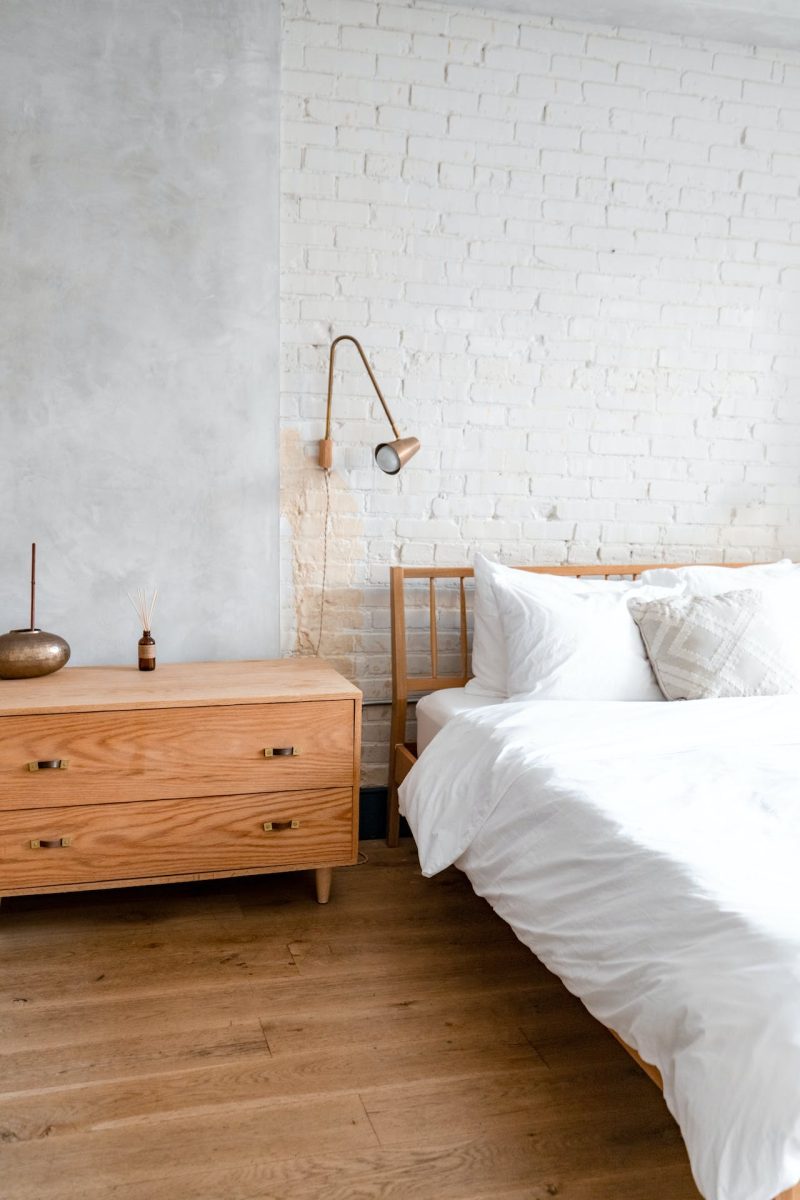
Minimalism in interior design means opting for simplicity, clean lines, and a monochromatic palette with color used as an accent. It’s not just about having fewer items in your space but choosing pieces that are both functional and stylish. To embrace minimalism, start by decluttering your space. Remove items that don’t serve a purpose or have any sentimental value. When selecting furniture, opt for pieces with simple, sleek lines. Minimalist spaces often feature a neutral color palette, but don’t be afraid to add splashes of color through artwork or a single statement piece. The key is to let each item have its own space and purpose.
2. Revamping with Paint: Soothing and Trending Tones
Paint is a powerful tool in interior design. It can completely transform a room without the need for significant renovations. Modern interior palettes lean towards soothing, understated tones like blue-grays, which provide a serene and sophisticated backdrop. Within this palette, there’s a shade for every room and ambiance. For instance, Benjamin Moore Boothbay Gray tops the list of 23 of the best blue gray paint colors and can be used for kitchen islands to create a feminine look.
When choosing paint, consider the room’s natural light, as it can significantly affect how the color appears. For a cohesive look, use a consistent color palette throughout your home, but don’t be afraid to experiment with accent walls or different shades in the same color family. Matte finishes can give a more modern feel, while a satin finish is easier to clean and more durable.
3. Update Lighting Fixtures
Lighting is a critical element in modern interior design. It’s not just functional but can also be a decorative statement. Updating old lighting fixtures can instantly modernize a room. Consider replacing outdated chandeliers with sleek, contemporary models or installing recessed lighting for a clean look. LED strip lights under cabinets or along baseboards can add a modern touch and are also energy-efficient. Smart lighting systems, which can be controlled via smartphone or voice command, are also gaining popularity in modern homes, allowing homeowners to easily adjust lighting for different moods or times of day.
4. Incorporate Smart Technology
Modern homes are increasingly becoming integrated with smart technology, which enhances both functionality and aesthetic appeal. Smart thermostats can improve energy efficiency and be controlled remotely. Automated blinds can adjust to the time of day, and smart security systems provide peace of mind. When incorporating technology, the key is to ensure it blends seamlessly with your decor. Many smart devices now come in stylish designs that complement modern interiors. Remember, the goal is to enhance your living experience without allowing technology to dominate the space.
5. Refresh the Flooring
Flooring plays a significant role in the overall look and feel of your home. Modern flooring options include polished concrete for an industrial look, sustainable materials like bamboo or cork, and luxury vinyl, which offers durability and a wide range of design options. When choosing flooring, consider the room’s use, maintenance requirements, and overall design aesthetic. In modern design, flooring is not just a background element but a key component of the room’s character.
6. Mix Textures and Materials
In modern interior design, the mixing of textures and materials is key to creating a visually interesting and dynamic space. Combining various elements like smooth glass, rough stone, polished metal, or soft textiles can bring depth and contrast to a room. For instance, a wooden coffee table paired with a metal lamp and a plush rug creates a balanced yet diverse look. It’s important to maintain a harmonious color scheme to ensure these different textures and materials work together cohesively. This approach not only adds visual interest but also engages the senses, making the space more inviting and comfortable.
7. Focus on Functional Furniture
The right furniture can make or break a modern interior. It’s not just about picking pieces that look good; functionality is equally important. Opt for furniture that serves multiple purposes, especially in smaller spaces. For example, a sofa bed for the living room or an ottoman with storage can be both practical and stylish. Choose pieces that complement the overall design aesthetic of your home. Clean lines, subtle colors, and minimalistic designs are often hallmarks of modern furniture.
Remember, in a modern interior, less is often more, so select pieces that are both necessary and contribute to the overall design narrative of the space.
8. Incorporate Greenery and Natural Elements
Bringing elements of nature into your home not only enhances the aesthetic appeal but also promotes well-being. Indoor plants can purify the air, add a splash of color, and create a more relaxing environment. Consider incorporating a range of plants, from large leafy palms to small succulents, depending on your space and lighting conditions. Natural elements can also be included through materials like bamboo, stone, or wood. These can be introduced in the form of accessories, furniture, or decorative pieces. The key is to create a balance that feels organic and harmonious with the overall modern design of your home.
9. Regular Maintenance: Repair Over Replace
In a world where it’s often easier to buy new than fix old, there’s a growing appreciation for the ethos of repair over replacement. Regular maintenance and timely repairs can extend the life of your furniture and fixtures, saving you money and reducing waste in the long run. This approach is not only practical but also sustainable. Assess your space regularly for items that need attention. Sometimes, a simple fix like tightening a loose screw, patching a small hole in the wall, or oiling a creaky hinge can make a big difference. Embrace the idea that well-maintained older pieces can coexist beautifully with newer elements in a modern home.
Same home, new vibes!
Modernizing your home interior is an exciting journey that allows you to express your personal style while creating a functional and comfortable living space. Remember, the key to a successful interior makeover is balance. It’s about combining different elements in a way that reflects your taste while maintaining the functionality and comfort of your home. With these tips, you’re well-equipped to transform your space into a modern haven that you’ll love for years to come.